Understanding Common Ice Maker Issues
Ice makers are essential appliances in many households, providing a convenient source of ice for beverages, parties, and everyday use. However, like any appliance, they are prone to malfunctions that can disrupt their functionality. Understanding the common issues that affect ice makers can help homeowners pinpoint problems early and determine whether they can tackle repairs themselves or need to seek professional help. With proper knowledge and maintenance, you can enjoy the benefits of a fully functioning ice maker for years to come. When exploring options, ice maker repair services can provide comprehensive insights into issues and solutions.
What Causes Ice Maker Malfunctions?
Ice makers can malfunction due to a variety of reasons, including:
- Water Supply Issues: A blocked or kinked water line can prevent water from reaching the ice maker, causing it to stop producing ice.
- Temperature Fluctuations: If your freezer temperature is not consistent (ideally between 0°F and 5°F), it may not keep ice frozen or form properly.
- Mechanical Failures: Components like the ice maker motor, heater, or control module can fail due to wear and tear or manufacturing defects.
- Clogged Filters: A clogged water filter can restrict water flow, impacting the ice production process.
- Electrical Issues: Faulty wiring or connections may disrupt the operation, leading to sporadic ice production.
Identifying Symptoms of Ice Maker Problems
Recognizing the symptoms of ice maker problems is crucial for timely repair. Common signs include:
- No Ice Production: If your ice maker is not producing any ice, it could indicate a water supply issue or a broken component.
- Slow Ice Production: If it takes longer than usual to fill the ice bin, check for water line restrictions or mechanical malfunctions.
- Odd Noise: Unusual sounds during operation may hint at a malfunctioning motor or other mechanical issues.
- Ineffective Ice Formation: Ice that is cloudy or has a strange taste can be a sign of a clogged filter or stagnant water.
Importance of Regular Maintenance for Ice Makers
Regular maintenance is vital for the optimal performance of ice makers. Routine checks can prevent most issues from becoming severe. Key maintenance practices include:
- Cleaning the Unit: Regularly clean the ice maker to remove mineral buildup and keep it running smoothly.
- Replacing Filters: Change the water filter every six months to ensure clean and fresh-tasting ice.
- Inspecting Water Lines: Check for leaks or kinks in the water line that could hinder ice production.
DIY Ice Maker Repair Techniques
For those who prefer to address problems head-on, understanding basic DIY repair techniques can save time and money. Here are some useful strategies.
Essential Tools for Ice Maker Repair
Before attempting any repairs, ensure you have the right tools at hand. Essential tools include:
- Screwdrivers: Both flathead and Phillips screwdrivers for opening covers and securing parts.
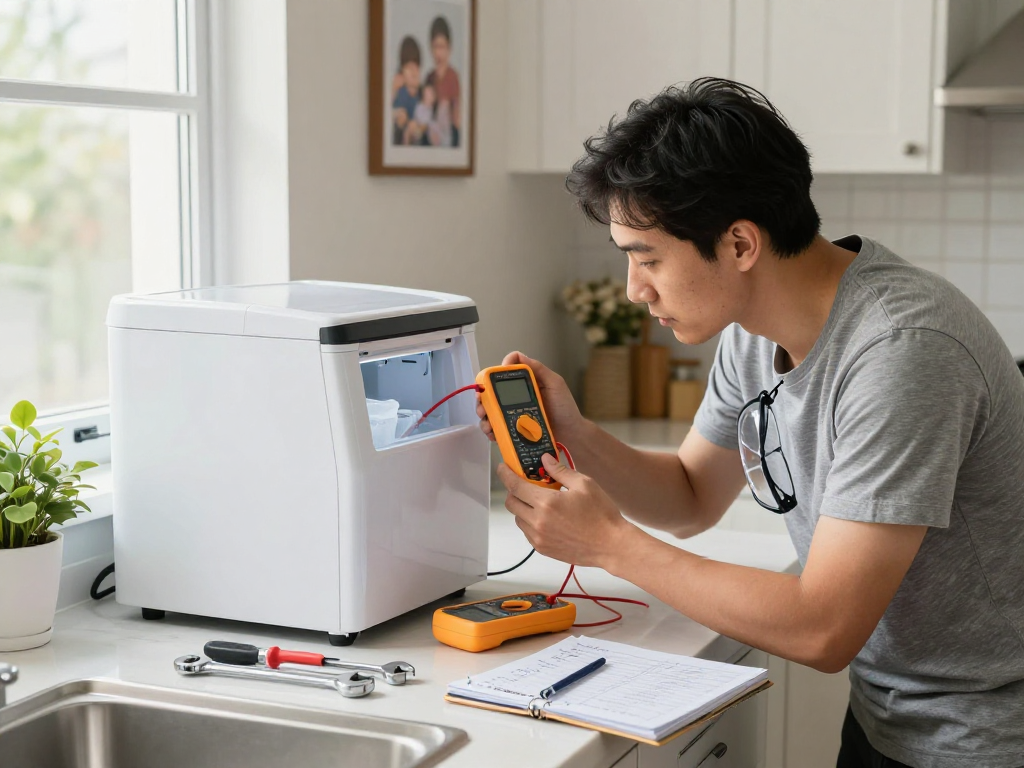
- Multimeter: For testing electrical connections and components.
- Wrenches: To loosen and tighten water line connections.
- Cleaning Supplies: Vinegar and soft cloths for cleaning components.
Step-By-Step Guide to Troubleshooting
Troubleshooting your ice maker can be a straightforward process. Follow these steps:
- Check the power supply. Ensure the ice maker is properly plugged in and that the outlet is functional.
- Inspect the water supply line. Look for kinks or clogs that may prevent water flow.
- Examine the temperature settings. Make sure the freezer is at the correct temperature.
- Listen for sounds. Identify unusual noises that could signal mechanical problems.
- Test the components. Use a multimeter to check the functionality of critical parts such as the thermostat and motor.
Common Ice Maker Parts and Their Functions
Understanding the key components of your ice maker can aid in troubleshooting. Some important parts include:
- Water Inlet Valve: Controls water flow into the ice maker.
- Ice Mold: The container where ice forms.
- Thermostat: Monitors and regulates the temperature of the ice maker.
- Control Module: The brain of the ice maker that governs its operation.
When to Call a Professional Repair Service
While DIY troubleshooting can resolve many issues, there are times when professional intervention is necessary. Knowing when to call for expert help is crucial.
Signs You Shouldn't DIY
There are certain situations where attempting to fix your ice maker may lead to further complications. Consider seeking professional help if:
- You lack electrical knowledge and the issue seems electrical in nature.
- Multiple components are malfunctioning simultaneously.
- Water leaks indicate possible plumbing issues.
- You have exhausted your troubleshooting options without success.
How to Choose a Qualified Appliance Repair Technician
Finding the right technician can be daunting but is key to receiving quality service. Look for:
- Licensing and Insurance: Ensure the technician is licensed and insured to protect yourself from liability.
- Customer Reviews: Research online to find reviews and testimonials from previous clients.
- Experience: Choose technicians with experience specifically in ice maker repairs.
The Cost-Benefit Analysis of Professional Ice Maker Repairs
Hiring a professional can be more expensive than DIY repairs, but it can save you money in the long run. Consider the following:
- Cost of Parts: Professionals often have access to parts at lower prices.
- Time Savings: Avoid wasted time on unsuccessful DIY attempts.
- Warranty on Services: Many technicians provide warranties on their work, giving you peace of mind.
Preventative Measures for Ice Maker Longevity
To extend the life of your ice maker, consider implementing some preventative measures. Simple actions can prevent costly repairs and ensure consistent performance.
Best Practices for Ice Maker Maintenance
To maintain your ice maker’s functionality, adopt these practices:
- Regular Cleaning: Schedule cleanings every 3-6 months to remove ice and mineral buildup.
- Keep the Freezer Full: A full freezer helps maintain a consistent temperature, aiding ice production.
- Monitor Ice Quality: Discard ice if it develops strange colors or flavors.
How to Extend the Life of Your Ice Maker
In addition to maintenance, you can extend your ice maker’s lifespan by:
- Using filtered water to reduce mineral deposits.
- Avoiding overuse during peak times to prevent burnout.
- Keeping the appliance well-ventilated to prevent overheating.
Understanding Warranty and Service Agreements for Ice Makers
Familiarize yourself with the warranty and service agreements associated with your ice maker. This ensures you understand what repairs are covered and how to proceed when issues arise.
The Future of Ice Maker Technology
As technology advances, ice makers are evolving with innovative features that enhance convenience and efficiency. Staying informed about these advancements can help consumers make informed decisions about their appliances.
Innovative Features in Modern Ice Makers
Today's ice makers come with several innovative features:
- Smart Technology: Many ice makers now offer connectivity to smart home systems, allowing remote monitoring and control.
- Custom Ice Shapes: Some models allow users to create different ice shapes, catering to various preferences.
- Energy Efficiency: New models are designed to consume less energy, leading to lower electricity bills.
Predictions for Ice Maker Repairs in 2026
By 2026, it's expected that ice maker repairs will become more specialized due to advancements in technology. Technicians will need to be adept at handling smart appliances, which may require ongoing education and training.
Impact of Smart Technology on Ice Maker Performance
Smart technology in ice makers allows for improved monitoring of performance and efficiency. Users can receive alerts about maintenance needs, optimizing the unit's function and lifespan.
FAQs
What are common signs that my ice maker needs repair?
Signs include no ice production, slow ice production, odd noises, and poor ice quality. If you notice any of these symptoms, it's important to troubleshoot the issue or consult a professional.
How can I troubleshoot my ice maker before calling a technician?
Start by checking the power supply, ensuring the water line is clear, and confirming that the freezer is at the right temperature. If these basics are in order, follow a detailed troubleshooting guide to identify potential problems.
What are the most typical ice maker repair costs?
Costs can vary widely based on the type of repair needed. Simple fixes may range from $100 to $200, while more complex issues could reach $300 or more. Always obtain a quote before agreeing to repairs.
How often should I perform maintenance on my ice maker?
It is advisable to perform maintenance every 3-6 months. For more information, emergency appliance repair offers valuable insights. This includes cleaning, changing filters, and checking for any signs of wear or malfunction.
Can I replace parts of my ice maker myself?
Yes, many components can be replaced with basic tools and guidance. However, always ensure you have the right replacement parts and follow safety precautions to avoid electrical hazards.