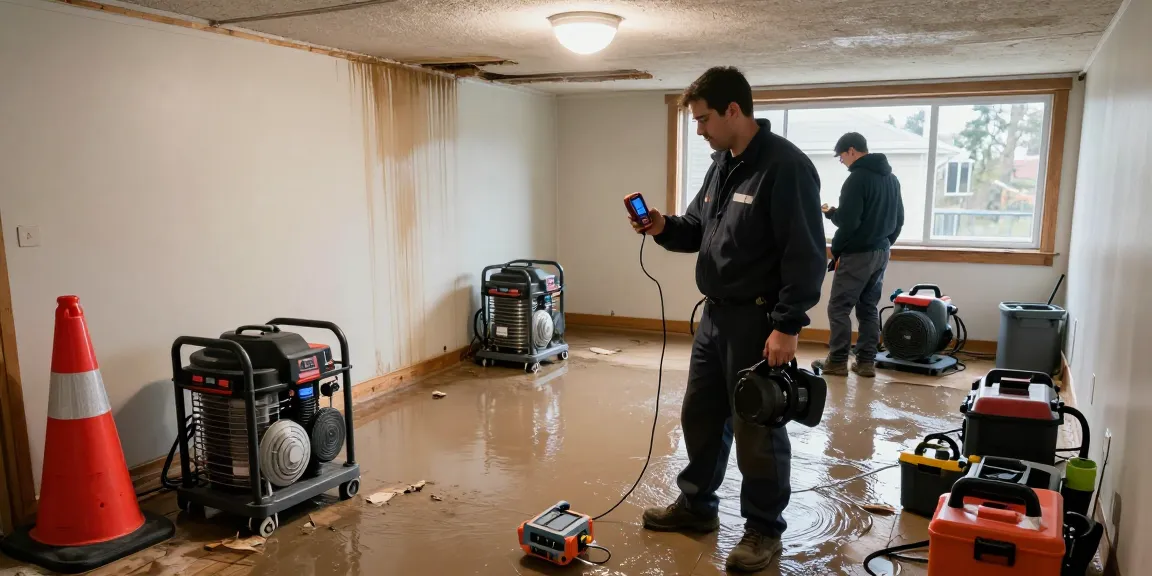
Understanding Water Damage Restoration in North Vancouver
Water damage can occur unexpectedly, leading to unexpected consequences for homeowners and businesses alike. In North Vancouver, where heavy rainfall and aging infrastructure are common, understanding the nuances of Water Damage Restoration North Vancouver becomes imperative. Swift action is critical when water infiltrates your property; the longer the exposure, the more extensive the damage. In this guide, we will delve into what water damage restoration entails, the importance of timely intervention, and how to recognize early signs of water damage.
What is Water Damage Restoration?
Water damage restoration refers to the process of cleaning, drying, and repairing properties that have suffered water damage. This process typically involves several stages: assessing the damage, extracting water, drying the affected areas, and restoring the property to its original condition. The restoration process aims to minimize the long-term effects of water damage, which can include structural weakness, mold growth, and decreased property value.
Importance of Timely Restoration Services
Addressing water damage promptly not only prevents further damage but also mitigates health risks associated with mold and bacteria growth. Professionals recommend that water damage restoration efforts begin within 24 to 48 hours of the incident. Delaying this can result in more extensive repairs and higher costs. Homeowners should be proactive, knowing that even a small leak can lead to substantial damage if not addressed quickly.
Common Causes of Water Damage in North Vancouver
- Heavy Rainfall: The coastal climate of North Vancouver exposes properties to frequent and intense rain, which can infiltrate homes through faulty roofs, gutters, and improper drainage.
- Aging Plumbing: Older plumbing systems may have weaknesses and leaks, contributing to a higher risk of water damage.
- Basement Flooding: The region’s high groundwater levels can lead to basement flooding, particularly during heavy rainfall.
- Appliance Failures: Dishwashers, water heaters, and washing machines can malfunction, leading to unexpected leaks and standing water.
Recognizing Early Signs of Water Damage
Identifying water damage early can save homeowners from costly repairs and health hazards. There are various signs to watch for, so let’s explore them in detail.
Visual Indicators in Your Home
- Water Stains: Look for yellow or brown stains on walls and ceilings, often indicating water intrusion.
- Peeling Paint or Wallpaper: Moisture can cause paint and wallpaper to lose adhesion and peel away from surfaces.
- Mold Growth: Visible mold, particularly in corners, on ceilings, or in damp areas, signifies excessive moisture.
Auditory Signs of Leaks and Moisture
Sometimes, water damage can be detected through sounds. Listen for:
- Dripping Water: Constant dripping noises from pipes or ceilings can indicate hidden leaks.
- Swelling or Bubbling Walls: If walls emit sounds when tapped, they may be swollen with trapped moisture.
Utilizing Technology for Early Detection
Modern technology can aid in detecting water damage before it becomes visible. Infrared cameras and moisture meters can pinpoint hidden leaks and areas of high humidity within walls or under floors.
The Water Damage Restoration Process
Understanding the restoration process helps homeowners know what to expect after a water emergency. Here’s how it typically unfolds:
Initial Damage Assessment and Inspection Steps
The first step in water damage restoration is a comprehensive assessment of the affected area. A certified technician evaluates the extent of the damage, identifying the source of water intrusion and assessing materials that can be salvaged versus those that need replacement.
Effective Water Extraction Techniques
Once the assessment is complete, the immediate focus shifts to extracting standing water. This is typically done using industrial-grade pumps and vacuums, capable of removing large volumes of water quickly and effectively.
Drying and Dehumidification Methods
After extraction, the drying phase begins. Dehumidifiers and air movers are employed to eliminate moisture from the air and surfaces, ensuring that all areas are thoroughly dried to prevent mold growth. This stage is critical and can take several days, depending on the extent of the water damage.
The Importance of Hiring Certified Professionals
Although some homeowners may consider tackling water damage as a DIY project, hiring certified professionals is crucial for effective restoration.
Benefits of IICRC Certification
Technicians certified by the Institute of Inspection, Cleaning and Restoration Certification (IICRC) have undergone rigorous training in water restoration techniques. Their expertise ensures that they adhere to industry standards, thereby providing high-quality service.
Expertise in Handling Various Types of Water Damage
Water damage can vary significantly based on its source—clean water, gray water, or black water (contaminated). Certified professionals understand the implications of each type and employ appropriate methods to mitigate health risks.
Insurance Assistance and Documentation
One of the most beneficial aspects of hiring experts is their ability to handle insurance claims documentation. They provide comprehensive reports and evidence of damage, expediting the claims process for homeowners.
Best Practices for Homeowners to Prevent Water Damage
Preventing water damage is far more effective and cost-efficient than restoration. Here are some best practices homeowners in North Vancouver should implement:
Regular Maintenance Tips for Plumbing Systems
Regularly inspect your plumbing systems for leaks, and ensure that water heaters and appliances are in good condition. Replacing old fittings and fixtures promptly can prevent sudden failures.
Landscaping Strategies to Divert Water
Proper landscaping can direct rainwater away from your home. Consider grading your yard and installing drainage systems to minimize water pooling. Additionally, keep gutters and downspouts clear of debris.
Emergency Preparedness for Severe Weather Conditions
Have a plan in place for severe weather. This includes knowing where your shut-off valves are located for plumbing systems, and investing in sump pumps can be crucial during heavy rain seasons.
What are the long-term effects of untreated water damage?
Untreated water damage can lead to severe structural problems, mold infestations, and health hazards due to the proliferation of bacteria. Over time, this can significantly decrease property value and increase repair costs.
How do I know if my insurance covers water damage restoration?
Review your home insurance policy to understand what types of water damage are covered. Many policies cover sudden and accidental damage but may have exclusions for repeated leaks or lack of maintenance.
What equipment is used in the water damage restoration process?
Professional restorers utilize a range of equipment such as:
- Industrial-grade dehumidifiers
- Air movers
- Water extraction units
- Moisture meters and infrared cameras
How quickly should I act after experiencing water damage?
It is essential to act as soon as you notice signs of water damage. Ideally, you should contact a restoration service within the first 24 hours to minimize damage and reduce restoration costs.
What is the cost of professional water damage restoration services?
The cost of water damage restoration can vary widely based on the extent of the damage, the type of materials involved, and local rates. On average, homeowners can expect to pay between $1,500 to $3,500 for restoration services, but costs can increase significantly for extensive damage or contamination.